Muscle Building After 30: How Men Can Grow Stronger
Biological Shifts After Thirty
Hitting age thirty changes how your body responds to heavy physical exercise in subtle ways. Testosterone levels slowly drift downward while professional responsibilities and family commitments demand much more energy. Many men notice that recovery takes longer and old lifting habits cause joint discomfort instead. Gaining lean tissue remains entirely possible when you adapt your overall approach to smart training.
Biological changes after thirty mean you cannot train like an energetic twenty-year-old without facing consequences. HGH production decreases, and connective tissue requires additional care to avoid unexpected, painful lifting injuries. The focus must shift away from random max-effort lifts toward high-quality movement patterns and tension. Adapting to these physiological shifts ensures long-term progress while protecting your joints for future decades.
The Power of Progressive Overload
Muscle growth for men over 30 requires moving past ego-driven lifting and prioritizing strategic consistency. Random workouts and inconsistent effort yield minimal physical changes once recovery reserves begin to drop naturally. Busy fathers, first responders, and career professionals need a fitness program and structured routines built around their specific schedules. Understanding your body’s evolving limits allows you to build real strength with nutrition coaching without burning out completely.
Establishing long-term strength relies on applying progressive overload training safely and consistently over time. You do not need to max out on heavy weight bars every single training session. Adding small weight increments, extra reps, or improving movement control drives steady physical growth safely. Systematic progression gives your muscular framework the necessary challenge to adapt without overwhelming joint integrity.
Smart Exercise Selection for Maximum Muscle Gains
Strategic movement selection forms the foundation of any successful strength training program for older lifters. Compound exercises like squats, deadlifts, overhead presses, and rows deliver the highest total return on effort. These multi-joint movements recruit maximum target muscle fibers while improving multi-planar functional movement quality daily. Mastering proper movement mechanics protects your spine and shoulders while maximizing structural muscular gains.
Training Harder vs. Training Smarter
Understanding the direct difference between training harder and training smarter determines your overall long-term results. Mindlessly pushing to absolute physical failure every workout creates excessive fatigue that stalls muscle gains. Training smarter means leaving one or two reps in reserve while maintaining absolute execution form. This controlled intensity stimulates reliable hypertrophy while allowing your central nervous system to recover fully.
Fueling Growth and Protein Needs
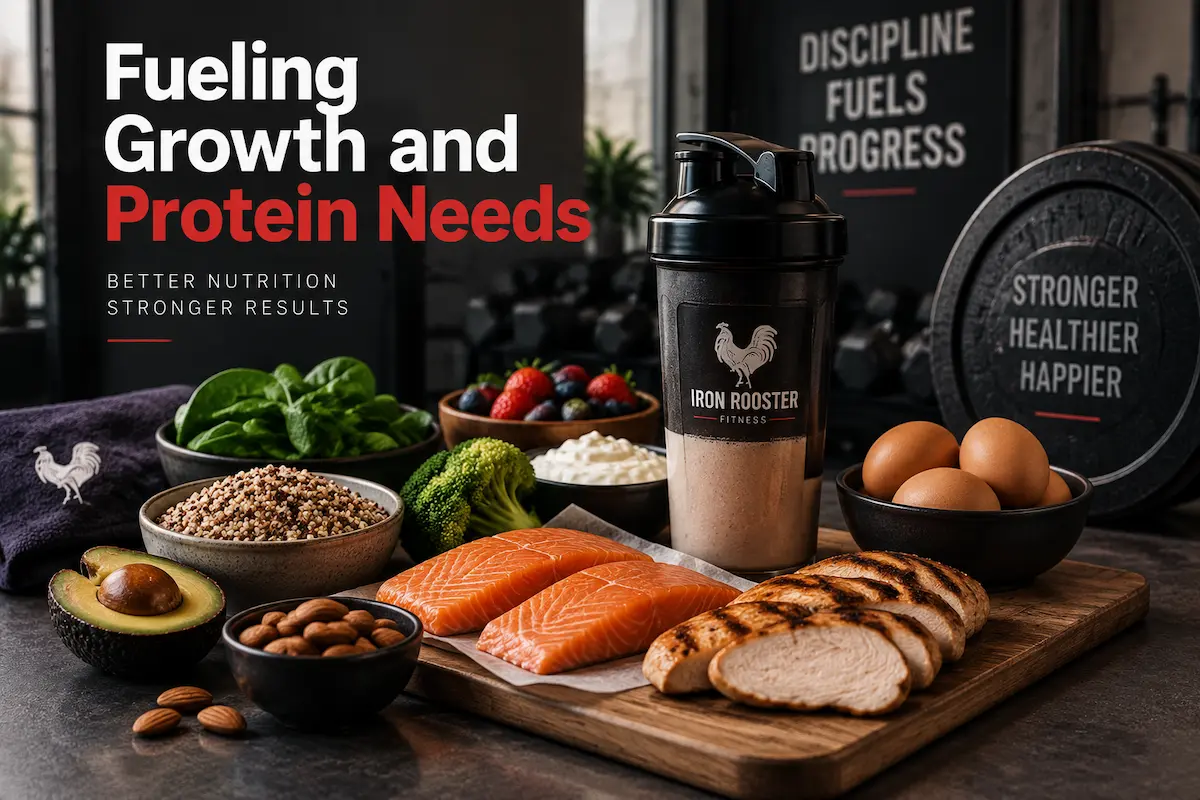
Nutrition plays a vital role in supporting recovery and fueling consistent muscular development past thirty. Protein supplies essential amino acids needed to rebuild broken-down muscle tissue after hard physical sessions. Spreading intake evenly across three to four complete meals optimizes overall daily muscle protein synthesis. Choosing nutrient-dense whole foods keeps systemic inflammation low and sustains daily physical energy levels.
How Much Protein Do You Need to Gain Muscle?
When planning nutrition, men often ask how much protein do you need to gain muscle effectively. A reliable standard is consuming around 0.7 to 1.0 grams of protein per pound of bodyweight. Active men should adjust calorie targets based on whether they need lean gain or fat loss. Proper calorie alignment ensures your body has sufficient fuel to rebuild tissue without storing excess fat.
Rest, Recovery, and Joint Care
Recovery and sleep quality directly dictate how quickly your muscular system repairs itself after training. Deep sleep triggers essential tissue repair processes while balancing cortisol and androgenic hormone production naturally. Skipping adequate sleep or ignoring constant joint aches inevitably leads to chronic fatigue and plateaued progress. Prioritizing rest allows busy professionals to return to the gym fully restored for every workout.
Consistent hydration and joint care keep your body performing at its absolute peak every week. Water supports optimal nutrient transportation into muscle cells while keeping spinal discs and joints lubricated. Supplementing with omega-3 fatty acids and maintaining proper warm-up routines reduces persistent baseline joint stiffness. Taking proactive care of your connective tissue prevents forced extended breaks from your regular workout schedule.
Avoiding Common Overtraining Pitfalls
Avoiding common training mistakes speeds up physical progress while protecting you from unnecessary setback risks. Many men make the error of overtraining while completely neglecting their daily rest and nutrition needs. Others jump between trendy online programs every few weeks, preventing any meaningful mechanical adaptation from taking hold. Sticking to a structured plan for extended blocks creates predictable, sustainable physical body transformations.
Busy men often struggle to stay consistent when career demands and family events disrupt planned workouts. The key is creating realistic time windows rather than expecting ideal two-hour training blocks daily. Three focused forty-five-minute sessions per week yield incredible results when guided by Iron Rooster Fitness with high movement efficiency. Building sustainable fitness habits ensures you stay on track even during demanding work travel weeks.
Strategic Coaching and Programming
For men needing tailored support, the best muscle-building program for men over 30 offers structured, time-efficient strength protocols. Tailored programming removes guesswork, ensuring every minute spent training yields maximum physical muscle returns. Working through an established system helps busy professionals maintain steady strength gains without joint pain. Utilizing proven training structures accelerates your results while keeping your routine manageable and straightforward.
Professional guidance transforms confusion into clear, actionable progress for men looking to rebuild their physical strength. An experienced strength training coach in the USA delivers personalized technique checks and program adjustments. Expert oversight prevents injury risks while ensuring training intensity matches your specific recovery capabilities. Personal accountability keeps you consistent through busy life seasons when motivation naturally begins to fade.
Customized Nutrition and Remote Support
Personalized nutrition guidance provides the missing piece for men struggling with recovery or energy levels. Partnering with a dedicated nutrition coaching specialist ensures your dietary intake supports your goals. Custom macro targets eliminate dietary guesswork, allowing you to build muscle while managing your body composition. Tailored meal strategies make eating for muscle growth simple, sustainable, and enjoyable alongside family life.
Flexible remote support through online fitness coaching for men in the United States offers expert guidance anywhere. Remote tracking tools allow coaches to analyze movement form, adjust volume, and optimize recovery schedules digitally. First responders, busy executives, and traveling professionals benefit immensely from adaptable, high-level remote coaching. Consistent professional feedback ensures your training evolves seamlessly as your strength and conditioning levels improve.
Finding a dedicated fitness program for men over 30 in the USA bridges the gap between hard work and real results. Targeted training balances high-yield lifting with joint-friendly recovery strategies designed specifically for mature adult men. Embracing a mature training mindset unlocks sustainable strength, improved posture, and vital physical longevity. Reviewing comprehensive strength training guides for men over 30 gives you the exact blueprint to build lifelong muscle.
Frequently Asked Questions
How to build muscle after age 30 safely?
Focus on multi-joint compound exercises, apply controlled progressive overload, and prioritize adequate sleep and nutrition. Avoid ego lifting by leaving one or two reps in reserve to protect joints while stimulating growth.
Can men gain muscle after 30 years old?
Yes, men can build significant muscle after thirty with structured training and sufficient protein intake. While hormone levels shift slightly, smart programming and consistent recovery allow for continuous strength gains and hypertrophy.
How much protein do you need to gain muscle effectively?
Aim for 0.7 to 1.0 grams of high-quality protein per pound of target body weight daily. Spreading this intake across three to four balanced meals optimizes muscle protein synthesis throughout the day.
How often should men over 30 train for muscle growth?
Training three to four days per week provides the ideal balance between mechanical stimulus and total physical recovery. This frequency allows busy men to train with high effort without overwhelming their central nervous system.