Your body usually doesn’t send a memo when things start getting tighter. One day you squat down to grab something, stand back up, and realize your hips do not move quite the way they used to. Maybe your shoulders feel stiff in the morning, or worse, maybe you get the clicking or impingement in your shoulders when you reach overhead. Maybe your knees need a few minutes before they stop complaining.
That is pretty common once work, training, old injuries, long drives, and too much sitting start piling up. The answer is not stretching for an hour every night. Most men need a short mobility routine they can actually repeat without turning it into another full workout.
What Mobility Actually Means
Mobility is not the same thing as flexibility. Flexibility is mainly about how far a muscle can lengthen. Mobility is about whether you can move a joint through a useful range and still control what happens there. That distinction matters. You might be able to pull your leg into a deep stretch, but if you cannot control your hip during a squat or lunge, that extra range does not help much.
Good movement comes from a mix of range, strength, coordination, and control. For men over 40, that usually means paying attention to the hips, ankles, shoulders, and upper back. Those areas take a beating from desk work, driving, lifting, carrying, and repetitive training. A good strength training guide can also help you build better control through the ranges you are trying to improve.
Why Do Joints Start Feeling Tight After 40?
Age gets blamed for almost everything, but lifestyle usually deserves a large part of the credit. Sitting eight hours a day can reduce the amount of movement your hips get. Long drives/traffic jams do the same thing. If you train hard but skip warm-ups, recovery, and easier movement days, stiffness can slowly become your normal.
Old injuries matter too. A damaged ankle from years ago can change how you squat today. A shoulder you tweaked during sports might still influence how you press overhead. Your body gets very good at finding workarounds, even when those workarounds are not ideal.
That does not mean every ache can be fixed with mobility work. Sharp pain, swelling, numbness, or symptoms that keep getting worse deserve proper medical attention. Routine stiffness is different, and that is where consistent movement can help.
A Simple Mobility Routine for Men Over 40
You do not need ten pieces of equipment for this routine. A little floor space and something sturdy to hold onto are enough. Move slowly, stay relaxed, and do not force yourself into positions your body clearly does not want. This routine takes about 10 to 15 minutes. You can use it before training, after a long day at work, or on recovery days when you feel beat up but still want to move.
1. Ankle Rockers
Stand in a split stance with one foot forward. Keep the front heel planted and gently move your knee toward your toes. Then come back and repeat. Do 8 to 10 reps per side. The motion should feel smooth, not forced. If the heel starts lifting, you have gone far enough. Ankles influence more than most people realize. Limited ankle movement can make squats feel awkward and often force the knees or hips to compensate.
2. 90/90 Hip Rotations
Sit on the floor with your knees bent and feet spread comfortably apart. Let both knees drop to one side, then rotate them across to the other side. Use your hands behind you if you need support. There is no prize for sitting perfectly upright on day one. Complete 6 to 8 controlled reps per side. This 90/90 hip stretch is useful because it trains hip rotation instead of only stretching the front or back of the hips.
3. Half-Kneeling Hip Flexor Reach
Drop one knee to the floor and put the opposite foot in front of you. Tighten the glute on the kneeling side and gently shift forward. You should feel the front of that hip open. Keep your ribs down instead of leaning backward to fake extra range. Hold for around 20 to 30 seconds, then switch sides. This one is especially useful if you spend most of your workday sitting.
4. Adductor Rock Backs
Start on your hands and knees. Extend one leg out to the side, keep it straight, and slowly push your hips backward. You will probably feel the inside of your thigh tighten before you get very far. That is fine. Come forward again and repeat. Aim for 8 reps per side. Smooth movement matters more than depth. Over time, these exercises can make wide stances, lunges, and squat positions feel less restricted.
5. Upper-Back Rotations
Get onto all fours and place one hand behind your head. Rotate that elbow down toward the opposite wrist, then turn your chest open and bring the elbow toward the ceiling. Try not to twist through your hips. The goal is to get movement from the upper back. Do 6 to 8 reps on each side. This is a good drill for anyone who spends a lot of time driving, typing, or working with their shoulders rolled forward.
6. Wall Shoulder Slides
Stand with your back against a wall. Bend your elbows and slowly slide your arms upward while keeping your ribs from flaring. Your hands do not need to stay glued to the wall. If they come away slightly, that is okay. Do 8 to 10 reps. Over time, this can help improve shoulder movement for pressing, reaching, and everyday tasks.
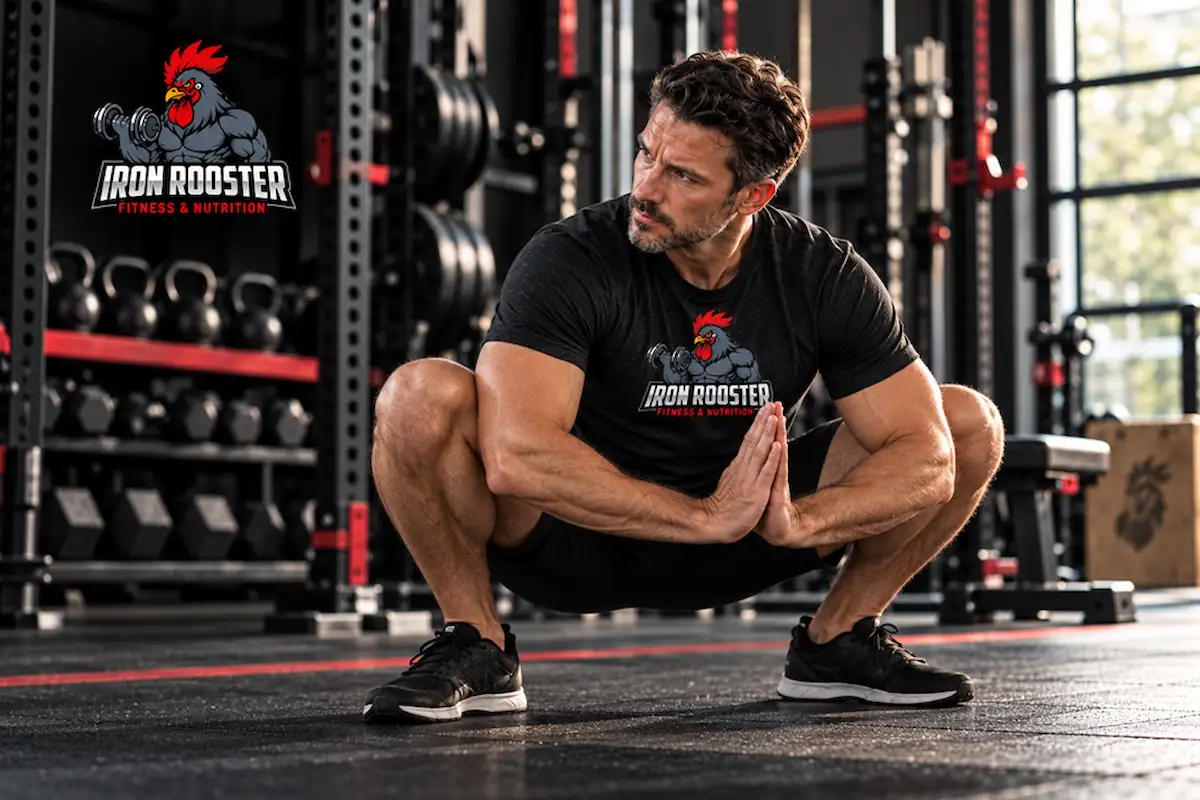
7. Supported Deep Squat
Hold onto a rack, countertop, or sturdy post and lower yourself into a comfortable squat. Let the support help you stay balanced. Spend 20 to 30 seconds there. Shift gently from side to side if it feels comfortable. Practicing deep squat mobility can help you work the ankles, knees, and hips together without forcing extra depth. If your heels lift or your knees hurt, do not push the position.
How Often Should You Work on Mobility?
A little bit done often beats a marathon session once every two weeks. Ten minutes four or five times a week is realistic for most people, and consistency matters more than chasing a perfect routine. Before training, keep the movements dynamic and controlled. On recovery days, you can slow things down and spend extra time on areas that feel restricted. If one particular joint always feels tight, it may need more than stretching. Weaknesses, poor technique, old injuries, or repeated movement habits can all play a role.